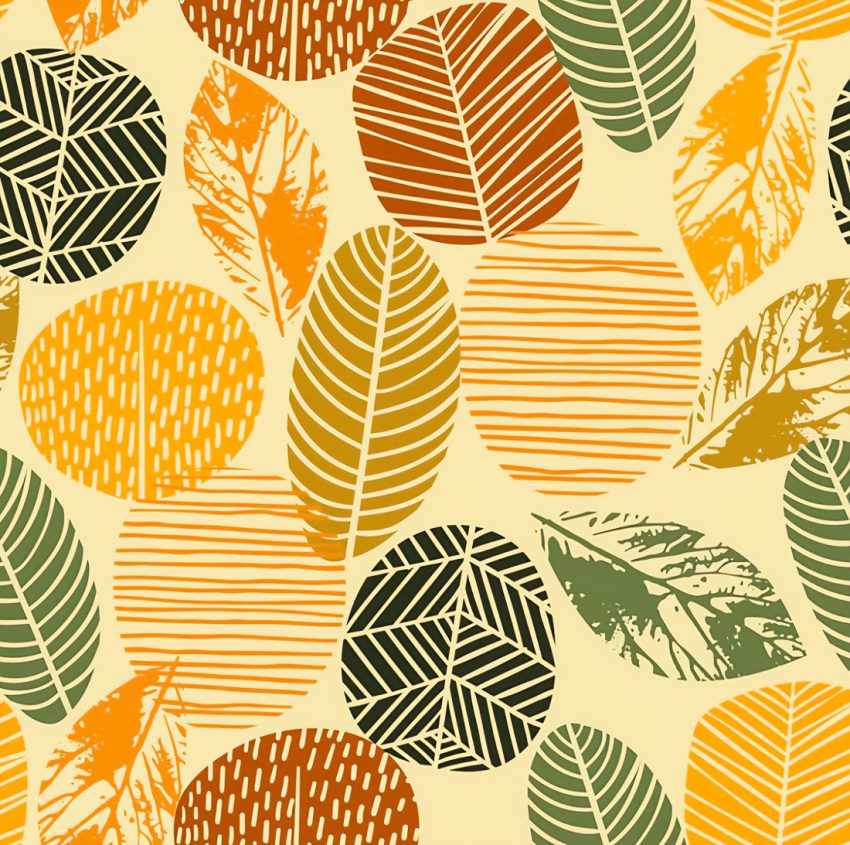
An unexpected movement is gaining momentum in American suburbs digital rewilding. It combines craft, art and a conscious return to nature. This trend is not about nostalgia for the past, but about a new aesthetic. Artists and designers seek a balance between technology and natural forms, creating objects inspired by living structures, colors and textures.
Nature As A Visual Language Of Modern Design

The theme of flora and fauna resounds in the workshops of suburban America. Ceramics, textiles, wood, and metal become mediums for conveying man’s emotional connection with nature. The nature-inspired craft movement is turning into a response to the fatigue of the same type of production. Craftsmen create furniture, lamps and interior items that repeat the lines of plants, the shapes of leaves and the smoothness of water. There is a therapeutic effect in this. Environmental psychology research proves that even images of greenery reduce anxiety and increase concentration.
Here, nature is not a decoration. She is the meaning. In cities where 75% of the population lives without access to green spaces, such objects become an emotional refuge. They bring back a sense of balance and presence.
Utopian Hope In Architecture And Craft

Architects and designers are turning to the ideas of Utopian hope, which the philosopher Ernst Bloch wrote about. His Not-Yet-Become concept describes a process of constant becoming, not an end goal. In this sense, rewilding is not just an aesthetic. This is the philosophy of moving towards a possible future where the house and garden become an extension of the landscape.
Landscape architecture is now perceived as a living organism. Spaces are created to be flexible, adaptive, and able to change with their inhabitants. This is how transformative spaces are born, places where a person does not observe nature, but becomes a part of it. The architecture here is not static. She is a utopian act embodied in wood, stone and light.
Speculative Design And Craft Of The Future
Speculative design helps craftsmen and architects imagine possible scenarios for suburban development. This is not a utopia in the classical sense, but an experiment with form, material, and perception. What would a house look like if its walls “breathed” along with plants? What if the lamp imitates the movement of the sun? Such questions encourage the creation of objects that combine functionality, ecology and poetry.
Rewilding here turns into a process of psychological recovery. Just as a twenty-minute walk in the park reduces stress, contact with things created in the spirit of nature restores the inner rhythm. The creators use color and light as a language of hope, and materials as a metaphor for life.
Today, digital rewilding in American suburbs is not just a trend. This is a new cultural paradigm. It connects craft design, sustainability and human connection. Here, nature becomes not an object of imitation, but a partner. And in this union, not the past is born, but the future, which has not yet become, but is already close to a space where creativity intertwines with the expanding world of graphic design resources, giving handmade art a new digital heartbeat.

I am an award-winning freelance writer who specializes in finance topics. I have also appeared as a financial expert on The Today Show and Good Morning, America.